Holiday Travel Security Checklist for Leaving Your Home After Dark
Holiday departures have a way of compressing the final hour. You meant to leave at noon; now it is nearly dark, the car is packed, and the porch light is the only thing you remembered to switch on. Leaving after dark adds a specific kind of risk: the house is visibly quiet at the exact time neighbors are least likely to notice a stranger in the drive. The checklist below is built for that last evening. It is not about turning your home into a fortress. It is about removing the easy signals—dark windows, piled parcels, a car that never moves—and giving a trusted neighbor enough information to act if something looks wrong.
Do a Five-Minute Walk-Through After Sunset
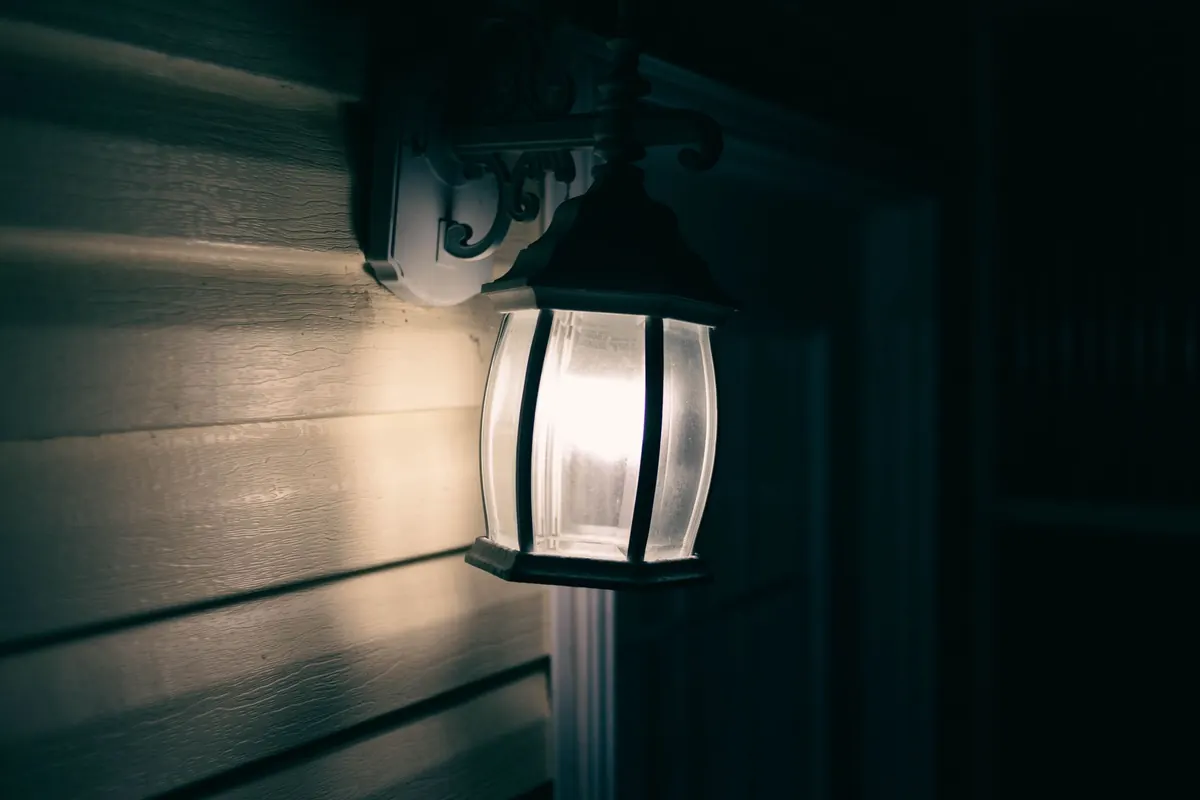
Before you zip the last bag, step outside and look at your house the way a passerby would. Stand across the street, then walk up the drive. Look for dark entries, a side door lost in shadow, or a bright garage window that shows boxes stacked by the car. Check whether your curtains leave a clear view of an empty hallway or a television that has been dark for days. This is also the best time to test exterior lights, because a bulb that worked in summer may have quietly failed by December.
Bring a small notepad or use your phone. Note anything that reads as “nobody is home”: a ladder against the garage, bins left at the curb, a package tucked behind the planter, a newspaper on the step. Fix what you can that evening and delegate the rest.
What to look for from the curb
- A porch or entry light that is off while every other house on the street is lit.
- Interior rooms that are completely dark night after night.
- Packages, flyers, or door hangers visible from the sidewalk.
- Side gates or back doors with no light at all.
- Blinds left open in rooms where you never normally leave them open.
Make the Lighting Look Lived-In, Not Floodlit
An empty house with every light blazing is almost as obvious as a dark one. The goal is a few warm pools of light in the rooms you actually use, plus a dependable entry light. A porch fixture on a timer, a lamp in the living room, and a low kitchen light will do more than a row of spotlights. Motion-sensor lights at the side gate and back door are useful, but check that they point at the ground and not into a neighbor’s bedroom.
If you use smart bulbs, open the app before you leave and confirm each one still responds. Smart bulbs are convenient until someone flips the wall switch and the schedule quietly stops working. For plain lamps, use a mechanical timer and set it for the same hours you would normally have that lamp on. Adjust for sunset rather than a fixed clock time if your timer allows it.
A simple lighting recipe
- Entry: on from late afternoon until you would normally go to bed.
- Living room: one lamp on a timer, not the overhead light.
- Kitchen: a small counter light for the early evening.
- Bedroom: a lamp that comes on later and goes off before midnight.
- Exterior: porch light plus motion sensors at side and rear doors.
Set Timers and Smart Plugs on a Believable Schedule
Timers fail in two ways: they break and nobody checks, or they are so regular that the pattern becomes its own signal. A lamp that snaps on at 7:00 every night and off at 11:00 is better than darkness, but it is not much better. If your timer has a random or variance setting, use it. If not, use two timers in different rooms so the house does not switch on and off in unison.
Test every timer before departure. Replace backup batteries where fitted, and check that the plug is not on a wall switch someone will turn off. A radio left on a talk station at low volume can sound more natural than a television left glowing for two weeks, but only if it will not disturb neighbors. If you rely on smart plugs, confirm your home Wi-Fi will stay on and that the plugs reconnect after a brief power cut.
Before you rely on any timer
- Plug it in and watch it switch on at the set time.
- Check the off time as well—many people test only the “on.”
- Confirm the lamp is switched on at the fixture.
- Make sure the timer is not hidden behind a curtain or furniture.
- Take a photo of the settings so you can restore them if needed.
Check Cameras and the Doorbell Like You Mean It
A camera is only useful if it is working when you are not there to notice a dead battery. Before you leave, open the live view from the driveway and from inside the house. Walk past the doorbell camera and confirm you get a notification. Check night vision after dark, not in the afternoon. Look at the angle: a camera pointed at the porch ceiling or a bush is doing very little.
Confirm that recording and storage are working, whether that is a local card or a cloud plan. If you share access with a neighbor or family member, send a test alert and ask them to confirm they can see it. Keep privacy in mind: point cameras at your own entries and driveway, not at a neighbor’s windows or the public sidewalk. And resist posting camera views or travel dates on social media while you are away.
Pause Deliveries, Mail, and the Paper Trail
Nothing says “away” like a stack of boxes on the porch. Put a mail hold in place where your postal service offers one, or ask a neighbor to collect mail daily. Pause newspaper delivery and any recurring local flyers you can cancel. If holiday gifts are still arriving, ask the sender to delay them or arrange for a neighbor to take them in. A package that sits through two rainstorms is a loss; a package that sits for a week is an invitation.
Deal with the small stuff too. Put bins away after collection, ask a neighbor to move them if collection falls during your trip, and check for door hangers or charity bags that can pile up. Save the holiday photos and travel updates for after you return. Real-time posts about the airport or the beach tell people exactly how long the house will be empty.
Brief a Neighbor and Share a Simple Plan
Good neighbors are the best alarm system you can have, but only if they know what normal looks like. Tell one or two trusted people when you leave, when you return, and who has a key. Ask them to walk by at night, collect mail, and text you if a car has been idling or a door is standing open. Give them your mobile number and a backup contact, not a long list of instructions they will never find again.
A useful neighbor briefing is short enough to read on a phone and specific enough to act on.
What to leave with a trusted neighbor
- Your travel dates and a mobile number.
- Which lights and timers should be on—and when.
- Whether any car will stay in the drive.
- Permission to collect mail or packages.
- The name of anyone who might legitimately visit.
- Your alarm company’s number, if you have one.
Do not leave a spare key under the mat or in a fake rock. If a neighbor needs access, give them a key directly and ask them to keep it inside their home. If you have an alarm, confirm the monitoring company has current contacts and that your neighbor knows whether to call you or the police first.
The Last Ten Minutes Before You Drive Away
Walk back through the house with the car keys in your hand. Lock every door, including the garage entry, and check the windows you opened while packing. Set the alarm, confirm the porch light is on, and close the blinds enough that the house does not advertise its emptiness. Take one last look at the timer settings, then text your neighbor that you are leaving.
If you remember something after you pull out—the side gate, the kitchen lamp, the package on the step—call your neighbor rather than turning around. A short, calm check by someone who knows your house is safer than a rushed return in holiday traffic. Then drive away and enjoy the trip; the point of the checklist is to let you stop thinking about the front door.
Photo: Craig Adderley / Pexels