Night Watch Routine: A 15-Minute Before-Bed Security Check
Most break-ins don't begin with a smashed window at midnight. They begin with a side door left on the latch after the dog went out, a ground-floor window cracked open for air, or a porch light that burned out a week ago and nobody noticed. Small omissions, stacked quietly, until a house that looks occupied from the street is actually wide open at the back.
The check that catches those things takes about fifteen minutes. It works best when it happens at the same time every night, in the same order, because a routine you can run while half-asleep is a routine you'll actually finish. What follows is a repeatable evening pass through the five things that matter most: doors, windows, lights, cameras, and the alarm.
Start With Doors, Because Doors Are How People Get In
Walk the perimeter of your home from the inside and put your hand on every exterior door. Not a glance from across the room — an actual touch. Push the door gently to confirm it's seated in the frame, then throw the deadbolt fully. A deadbolt turned halfway is a deadbolt that can be worked open; you want the bolt extended with a solid click.
While you're there, check three things that get overlooked:
- Keys. Nothing hanging in the lock on the inside, and no spare under the mat, in the planter, or on a hook by the back gate. If you need a spare for family, give it to a person, not a hiding place.
- Sliding doors. These are the weak point of many homes. A dowel or purpose-made bar in the track stops the door sliding even if the latch is defeated. Lift the door slightly — if it rattles up and down more than a few millimetres, the rollers may need adjusting.
- The garage. The overhead door should be fully down, and the door connecting the garage to the house should be locked and treated like a front door, because that's what it is.
If you have a smart lock, glance at the app to confirm it reports locked. Then still check it by hand once a week — apps are useful, but they can't feel a door that's shifted in its frame.
Windows, Including the Ones You Never Think About
Windows are where good intentions go wrong. The living room window is closed; the small bathroom window on the side of the house is open two inches because the extractor fan is noisy. That two inches is enough for a slim tool, and it's within reach of a fence, a porch roof, or a wheelie bin.
Test the latch on each window rather than trusting the handle position, especially on older uPVC frames where the mechanism can look engaged and not be. Give the frame a firm push. On sliding windows, a simple cut-to-length bar or a window pin costs almost nothing and closes off the easiest entry method.
The quick priorities
- Anything on the ground floor.
- Anything on the first floor reachable from a flat roof, extension, fence line, or drainpipe.
- Basement and cellar windows, including the small ones.
- Any window with a portable air-conditioning unit vented through it — secure the gap, not just the glass.
Lights Do Quiet Work That Alarms Can't
A house that looks occupied is a harder target than a house with a good alarm and a dark front path. Lights are the cheapest deterrent you own, and the check takes two minutes.
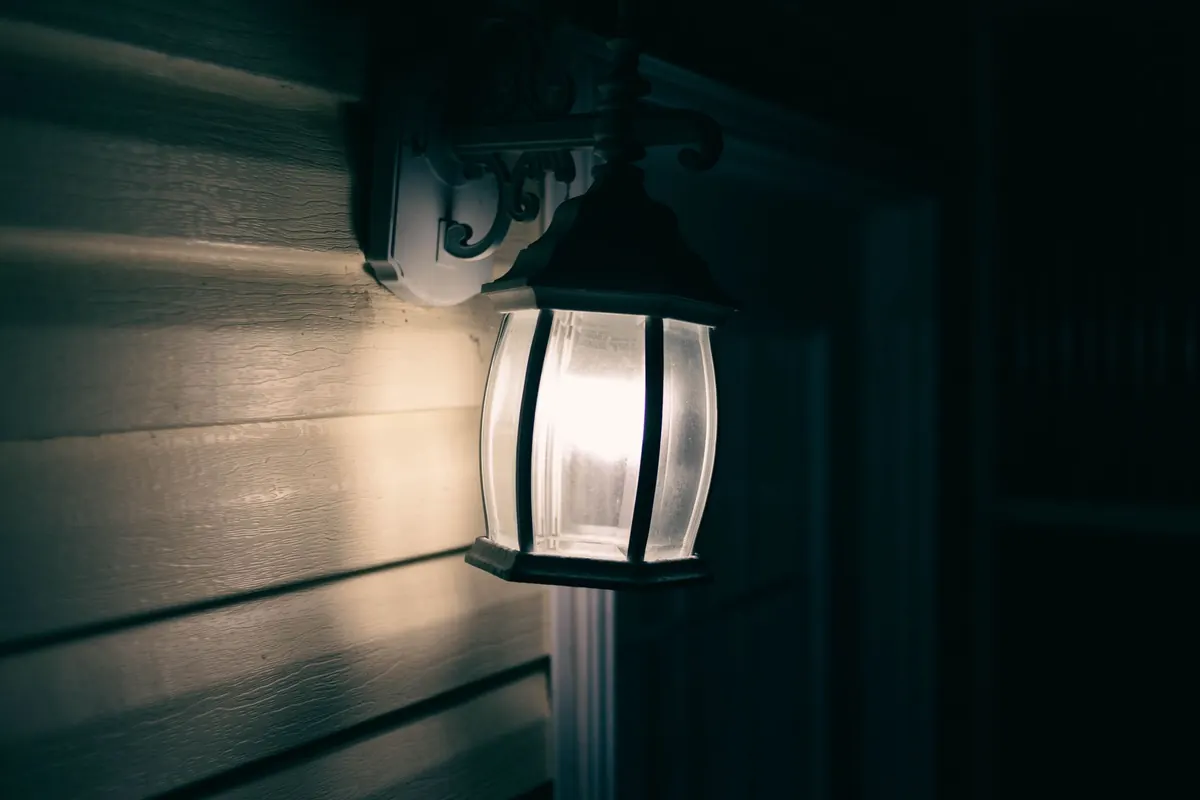
Walk outside if you can, or at least look out from the front and back. Confirm the porch light, the side light, and any motion-triggered floods are working. Motion lights are only useful if the bulb hasn't been out since spring, so keep a small stock of the right bulbs and replace them the day you notice, not the weekend after.
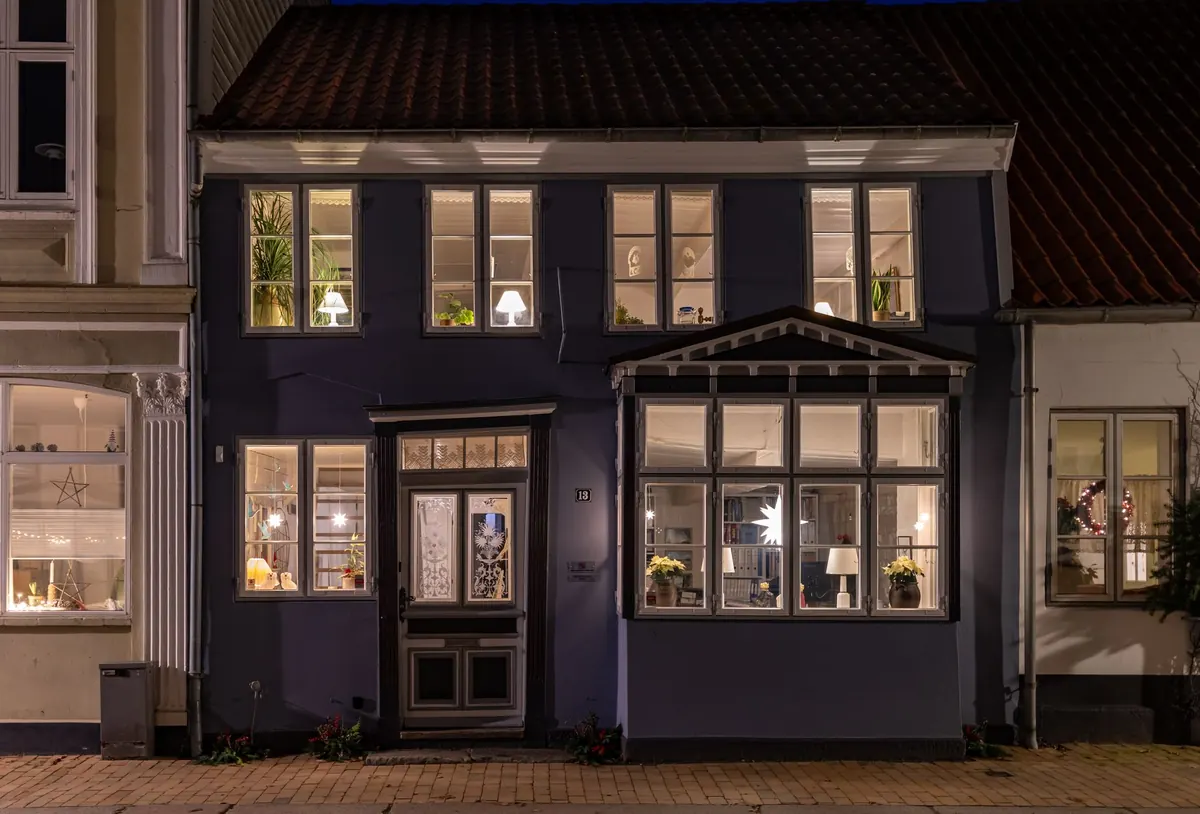
Inside, use plug-in or smart timers on two or three lamps in rooms you actually use in the evening, and stagger them so they don't all switch at once. A single blazing living room at 2 a.m. reads as nobody home; a hallway light and a bedroom lamp turning off at sensible hours reads as somebody home.
Cameras: Check the Picture, Not the Icon
Opening the app and seeing a row of green dots tells you almost nothing. Tap into each camera and look at the image itself. Is it sharp? Is the night view working, or is it a grey blur of reflected glare? A spider web across the lens or a smeared housing after rain can make a camera effectively blind for weeks without triggering any warning.
Wipe the lens with a microfibre cloth once a week. While you're looking at each view, ask whether it still covers what you installed it for — a hedge that has grown, a new parked car, or a bin store moved six feet can quietly block the one angle you cared about. Then confirm recording is actually happening. Live view is not the same as saved footage, and you don't want to discover the difference the morning after.
The Alarm: Armed, and Armed Properly
Arm the system in the mode that suits the night — usually "stay," which leaves the perimeter live while letting you move around inside. Wait for the confirmation tone or the app notification before you walk away. A keypad that beeps hopefully but never confirms isn't armed.
Check the keypad for trouble indicators: a zone that's open, a low battery, a tamper warning, a fault on the phone line or network. If a window is deliberately open overnight, know exactly which zone you've bypassed, and close it in the morning. Bypassed zones have a habit of being forgotten for a fortnight.
Once a month, in daylight, run a proper test — walk past each sensor and confirm the system registers it, using test mode if your provider offers one so you don't send a false alarm. If your system is monitored, ask your provider how they prefer you to schedule test activations. For anything involving installation, wiring, or a system you've inherited with the house, a qualified alarm technician is the right person to sign it off.
The Fifteen-Minute Run, In Order
Here's the whole routine on one page. Times are approximate; the sequence is what matters.
- Minutes 0–2: Doors. Hand on every exterior door, deadbolts thrown, sliding doors barred, garage checked.
- Minutes 2–5: Windows. Latches tested, frames pushed, ground floor and reachable first floor first.
- Minutes 5–8: Lights. Exterior lights on and working, timers set, nothing blazing unnecessarily.
- Minutes 8–11: Cameras. Each feed viewed, lenses clean, recording confirmed.
- Minutes 11–13: Alarm. Armed in stay mode, confirmation received, no faults on the keypad.
- Minutes 13–15: The loose ends. Shed and side gate locked, car locked and nothing visible on the seats, wallet and keys in the same place as always, phone charging by the bed.
Tell everyone in the house what the routine is and let older children take a share of it. A check that only one person knows how to do isn't a household routine, it's a single point of failure.
When You're Tired, Away, or Something Feels Off
Some nights you'll get home late and the full fifteen minutes won't happen. That's fine — drop to the three-minute version: doors, windows, alarm. Those three catch the overwhelming majority of real risk. What matters is that skipping the rest never means skipping those.
When you're away overnight, do the routine before you leave rather than after you've packed the car, and ask a neighbour to shift a bin or park in the drive. If you have guests staying, walk them through the doors and the alarm once; a visitor who doesn't know how to arm the system is a visitor who will leave it off.
And if something feels wrong — a gate open that you closed, a light on that you didn't leave on, a mark on a window frame — don't talk yourself out of it. Check the house with the lights on, and if you're unsure, call the police non-emergency line and let them advise. Fifteen quiet minutes every evening are worth far more than a dramatic reaction at three in the morning.
Photo: Joerg Mangelsen / Pexels